From practitioner to operator.
I didn't set out to build a company. I set out to take care of patients. The company came anyway, and it taught me most of what I now teach.
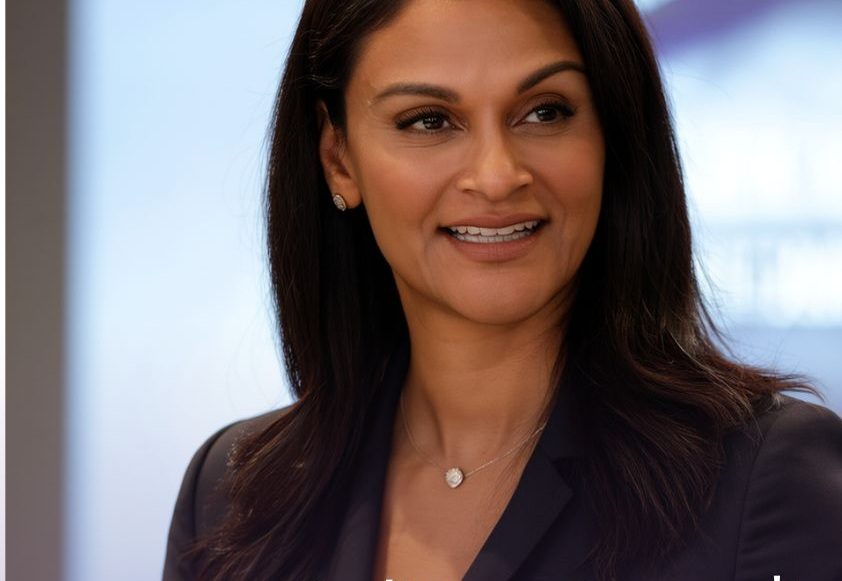
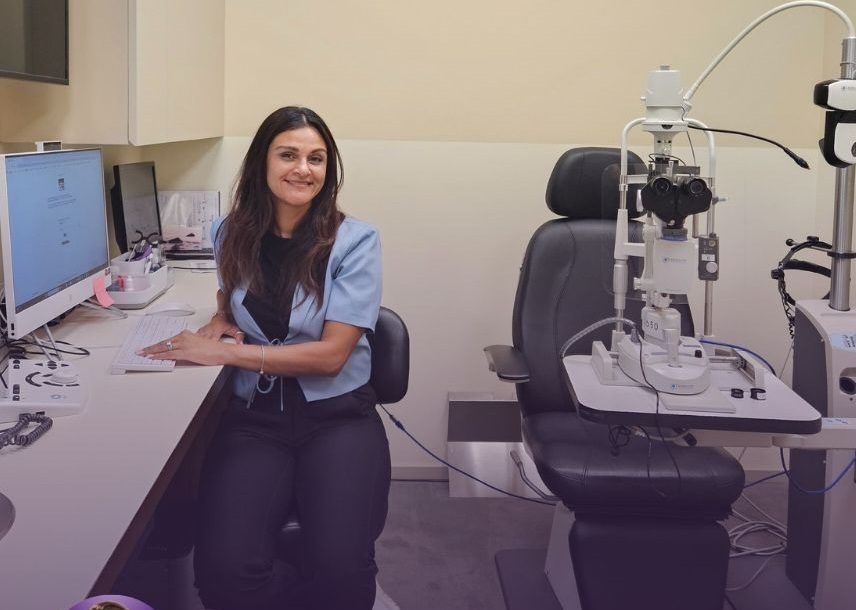
Still an optometrist. Most weeks, still in the lane.
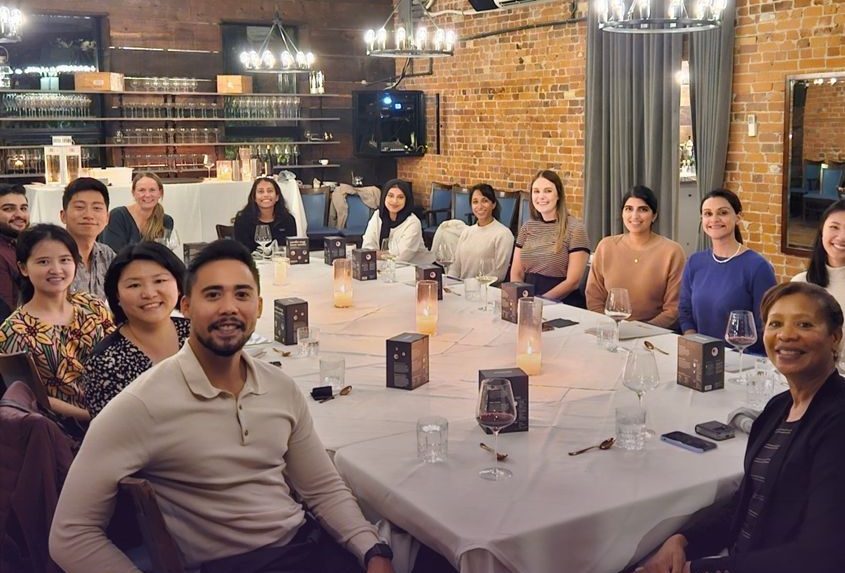
Leadership roundtable with the team
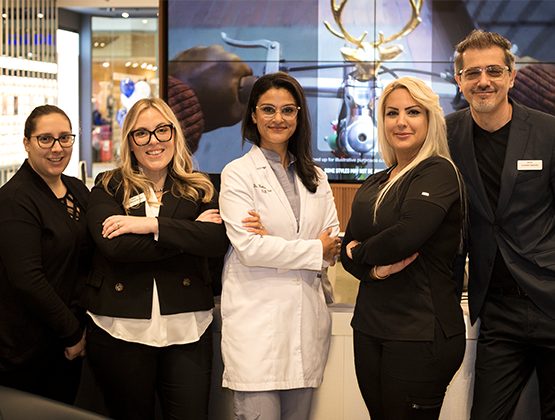
With the team at Fallon Vision Group
I graduated from the University of Waterloo in 2011 with a Bachelor of Science and a Doctor of Optometry. I was good at the clinical part and I liked it, kids especially. I built a pediatric and myopia-management focus that is still part of how my clinics work today.
Ownership arrived early. A practice inside a LensCrafters, then another. There was no business training behind any of it, just the belief that if I worked hard enough I could hold all of it in my head: the schedule, the staff, the numbers, the patients, the problems.
For a while that worked. Then it didn't.
What I got wrong
- 01I thought being available made me a good leader.
- 02I thought I had a people problem when I usually had a process problem.
- 03I thought I needed better reports when I really needed fewer, better numbers.
- 04I thought delegating a task was the same as building a system.
Every one of those cost me time, money and a few good people before I understood it. I grew up in a South Asian immigrant family, and the instinct to just work harder ran deep. It took a long time to see that harder wasn't the answer.
What changed
I started writing things down. Roles. Standards. What a good day looks like at the front desk, in pre-testing, in the exam lane, in the optical. I built scorecards the team could read without a finance background. I hired managers and, harder, let them manage. I brought in associate doctors and built the structure for them to succeed rather than just filling a schedule.
Today Fallon Vision Group runs five clinics in Etobicoke, Oakville, Burlington, Stoney Creek and Hamilton, with a team of more than fifty people including twenty-plus optometrists. We grew without outside investment. I still lead it, and I'm still an optometrist. But most of my week is spent on the organization rather than in the exam lane: the cadence, the numbers, the people who run the locations, and the technology that makes all of it visible.
The question I keep coming back to: how do we help great clinicians become great operators?
That question is why I write and speak about this, first inside optometry through Optical Prism, Care1 and industry podcasts, and increasingly for owner-led healthcare organizations of every kind. It's also why I founded PulseIQ, which turned the dashboards, alerts and training I built for my own team into a product other practices can use.
I'm direct, practical, and more interested in what you'll do differently on Monday than in what the framework is called. I'm also honest about the mistakes, because most of the useful lessons came from them.
At a glance
Let's build something better.
Building a healthcare organization, or building an event for the people who lead them? Either way, I'd like to hear about it.