Operator · Founder · Speaker
Build a better practice. Without building a bigger job.
I help healthcare owners build stronger teams, better systems and clearer numbers, so growth doesn't require them to be in every decision.
- Founder, Fallon Vision Group
- Founder, PulseIQ Solutions
- Doctor of Optometry
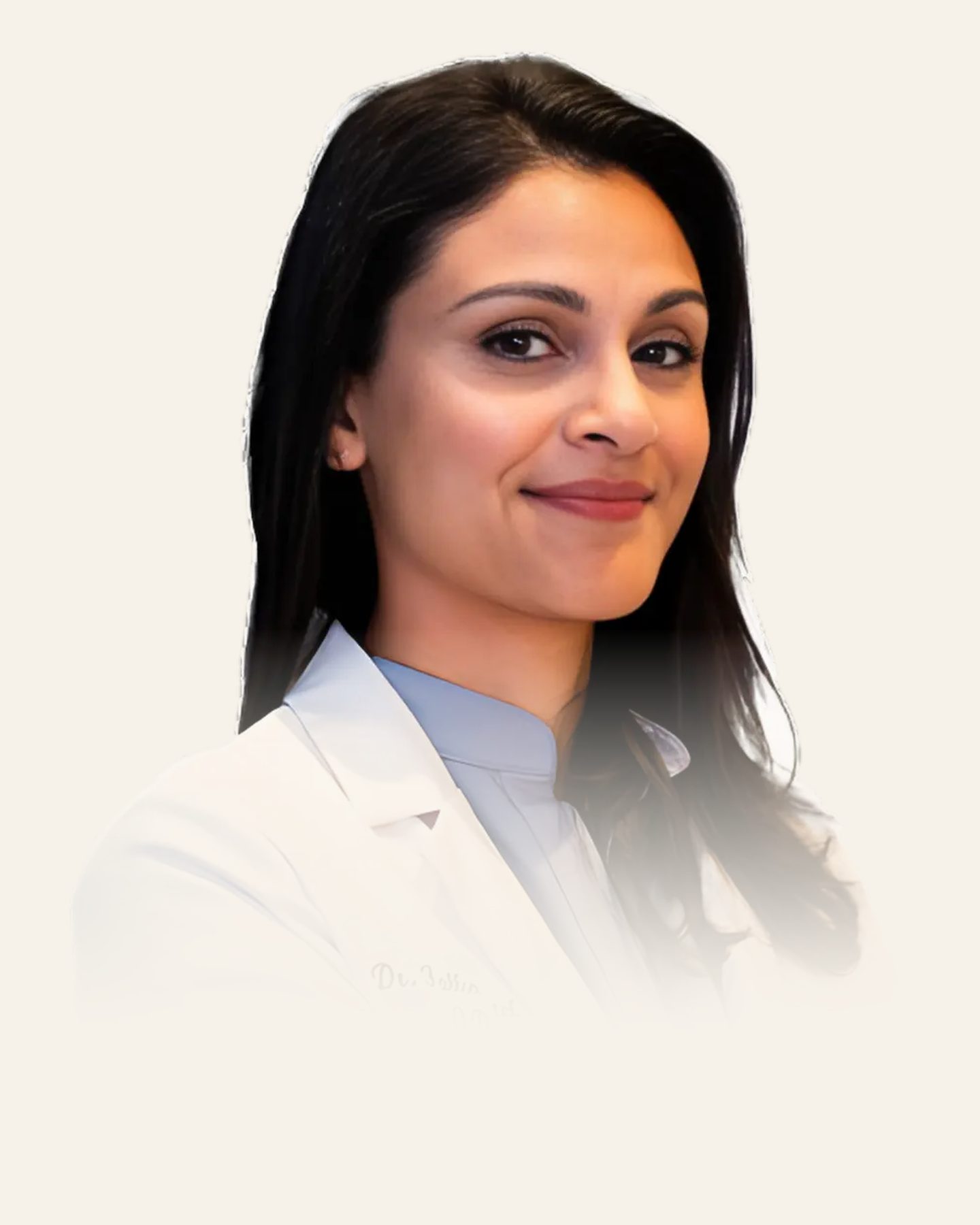
- 5Practices
- 50+Team members
- 20+Optometrists
- 15+Years in eye care
The practice grew. Then everything started depending on you.
- More patients sounded great.
- Then came more employees.
- More schedules. More decisions.
- More locations.
- More questions that somehow still ended up with me.
I've lived that transition. The answer wasn't working harder. It was building a business that knew how to operate when I wasn't in the room.
- 01
Better systems
Make good execution repeatable.
- 02
Stronger people
Give talented people clarity, ownership and accountability.
- 03
Clearer numbers
Know what's working before the month is over.
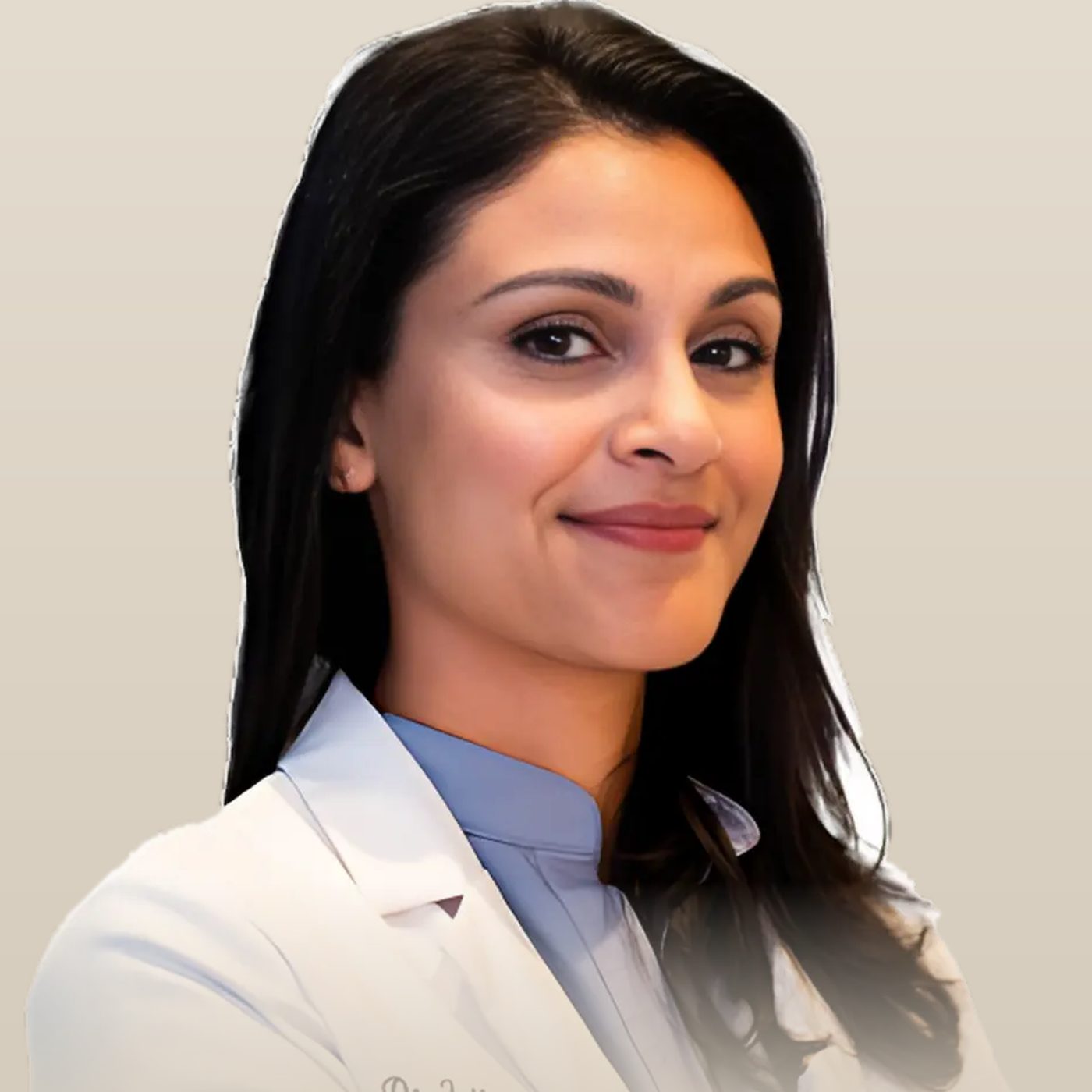
I became an operator because I had to.
I went to optometry school to become an optometrist. Nobody taught me how to manage dozens of people, build five practices, develop associate doctors, write operating systems, or figure out which numbers actually mattered.
I learned most of that by getting it wrong first.
For years I thought being a good owner meant being available for everything. Eventually I realized that was exactly what kept the business dependent on me. So I started building differently.
- Clearer roles.
- Better systems.
- Numbers the team could see.
- Managers who could actually manage.
- Technology that removed work instead of adding it.
That's the work I care about now: helping great clinicians become great operators.
My storyThree talks I'm known for.
I'm not a motivational speaker. I'm an operator sharing what has worked in my own practices, and what hasn't. Audiences leave with something to do on Monday.
- 01The talk
From clinician to CEO
How to stop being the person your practice depends on for everything.
- 02The talk
Growth without chaos
The systems, people and numbers behind a scalable healthcare practice.
- 03The talk
What AI should actually do inside your practice
A practical approach to using AI to cut administrative work, improve visibility and give your team more time for human work.
Operator to operator.
Sometimes you don't need another idea. You need clarity on what to fix next. I work with owners and leadership teams on exactly that.
Practice growth diagnostic
For owners who know something is leaking but aren't sure where.
A prioritized operating plan showing what to fix first.
Operating system build
For growing or multi-location practices that have outgrown informal management.
An operating rhythm that doesn't need the owner in every conversation.
Ongoing advisory
For owners and leadership teams who want an experienced operator in the room as they grow.
Someone who has made the decision before, on call for the next one.
Advice hits differently when you're still operating.
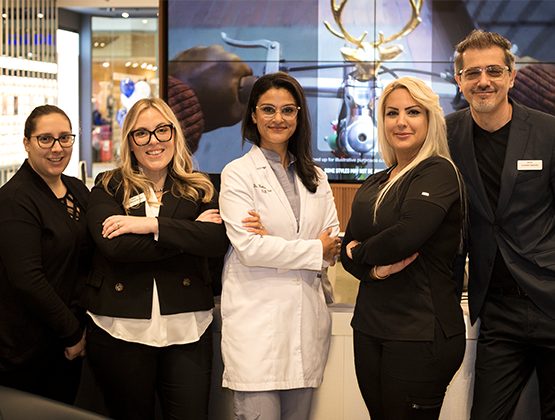
Fallon Vision Group, Ontario
I don't advise healthcare owners from the sidelines. I'm still building too.
Fallon Vision Group runs five practices with a team of more than fifty people, including twenty-plus optometrists.
- Every system I talk about has had to survive Monday morning.
- Every KPI has had to make sense to an actual team.
- Every leadership idea has had to work with real people.
The operating company.
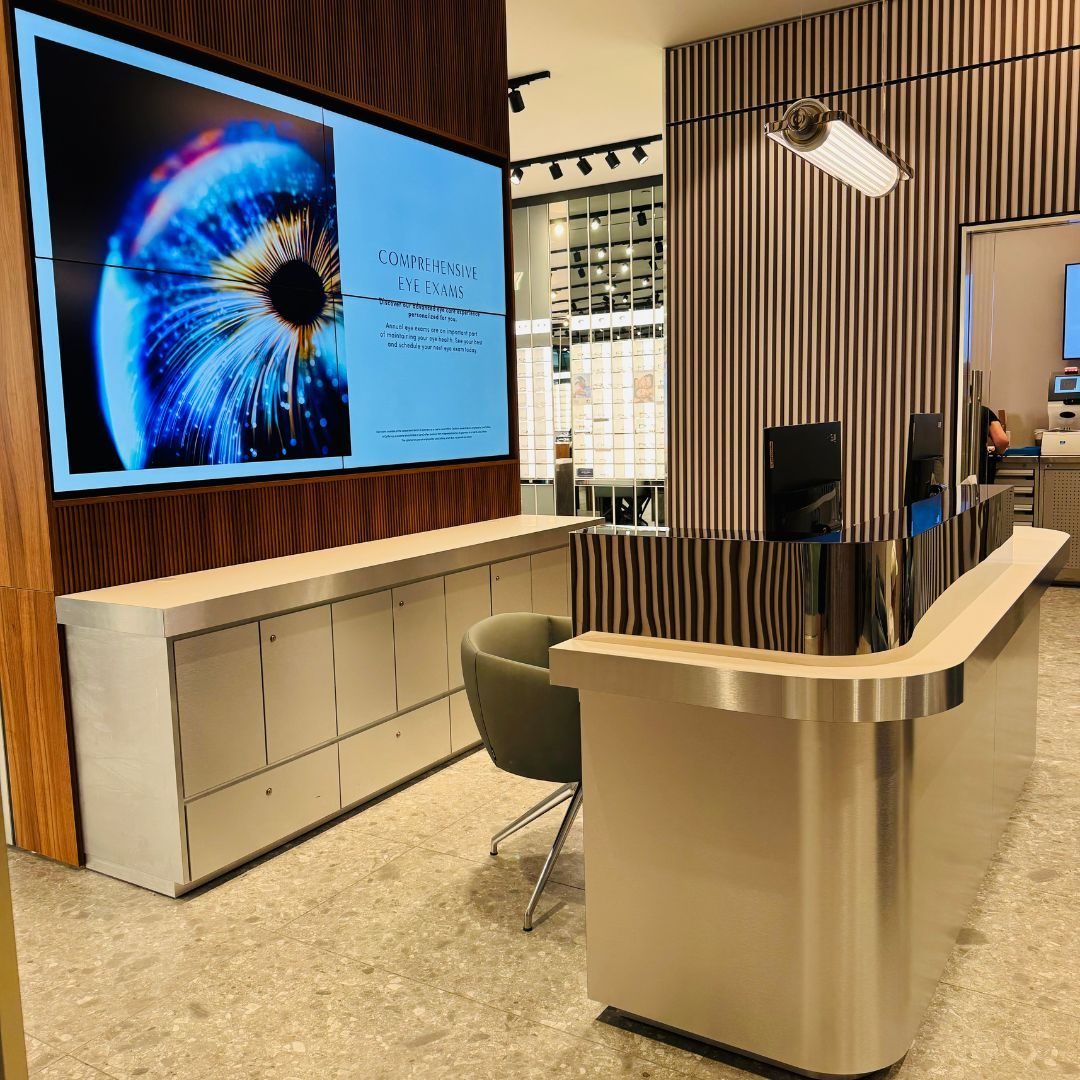
Five optometry practices across Etobicoke, Oakville, Burlington, Stoney Creek and Hamilton.
Visit Fallon Vision Group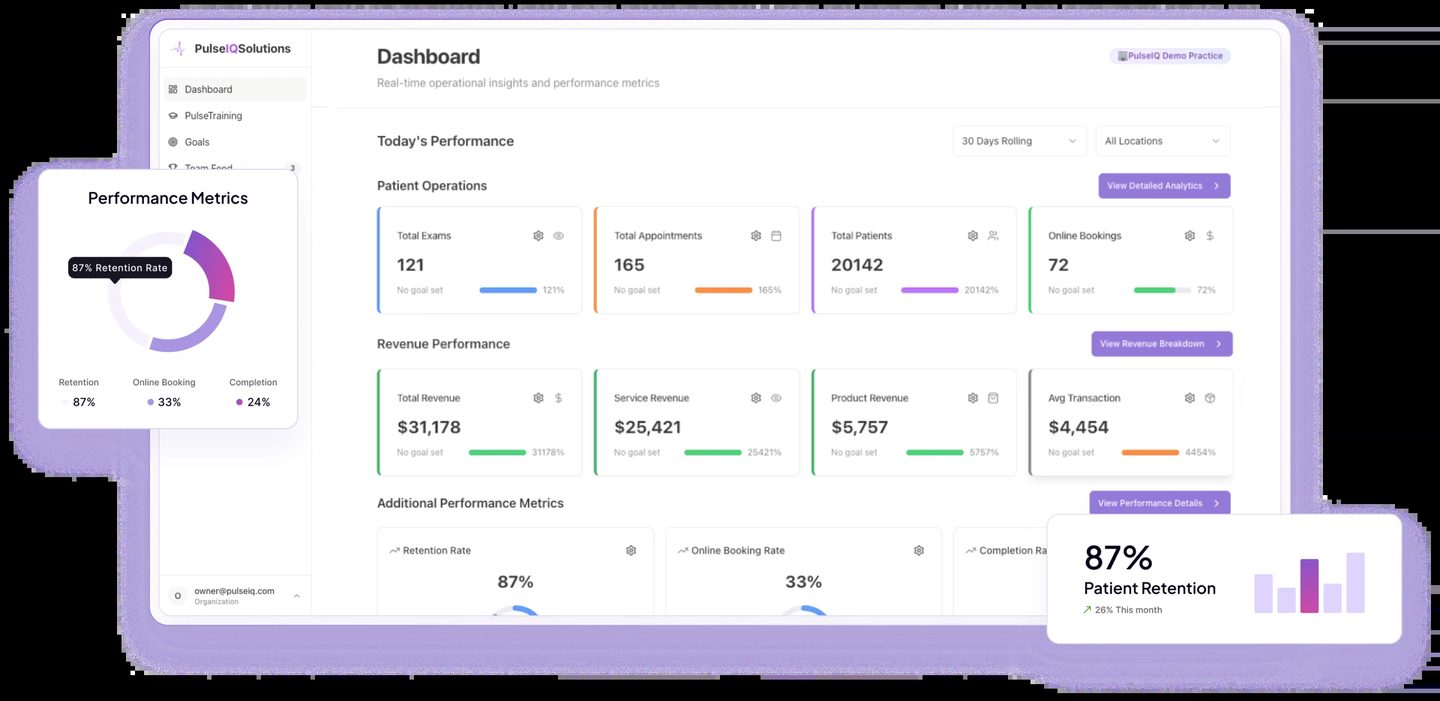
The tool I wanted as an owner.
One dashboard for the numbers that matter, with role-based training built in. Built from what running five practices taught me.
Explore PulseIQWhat I'm thinking about.
I write on LinkedIn most weeks about the operating side of healthcare. Three recent ones.
- OperationsRead on LinkedIn
Care shouldn't depend on one person
Patients never notice when a team is cross-trained, and that's the point. Resilience means the quality of care doesn't hinge on who happens to be in that day.
- LeadershipRead on LinkedIn
A quiet meeting isn't always a productive one
Strong leadership isn't measured by how few questions people ask. It's measured by how safe people feel asking them.
- MetricsRead on LinkedIn
The number isn't the point. The conversation is.
Track fewer numbers, the ones you can act on, and never use them to assign blame. Their job is to start a better conversation earlier.
- Clarity beats complexity.
- A metric is only useful if someone can act on it.
- If everything depends on you, you don't have a system yet.
- Consistency compounds.
Let's build something better.
Building a healthcare organization, or building an event for the people who lead them? Either way, I'd like to hear about it.
Let's talk.
Tell me a little about the event or the organization. I read every message.
Prefer LinkedIn? Message me there.